Ribble Ride - My Route

1
Ribblehead - the source
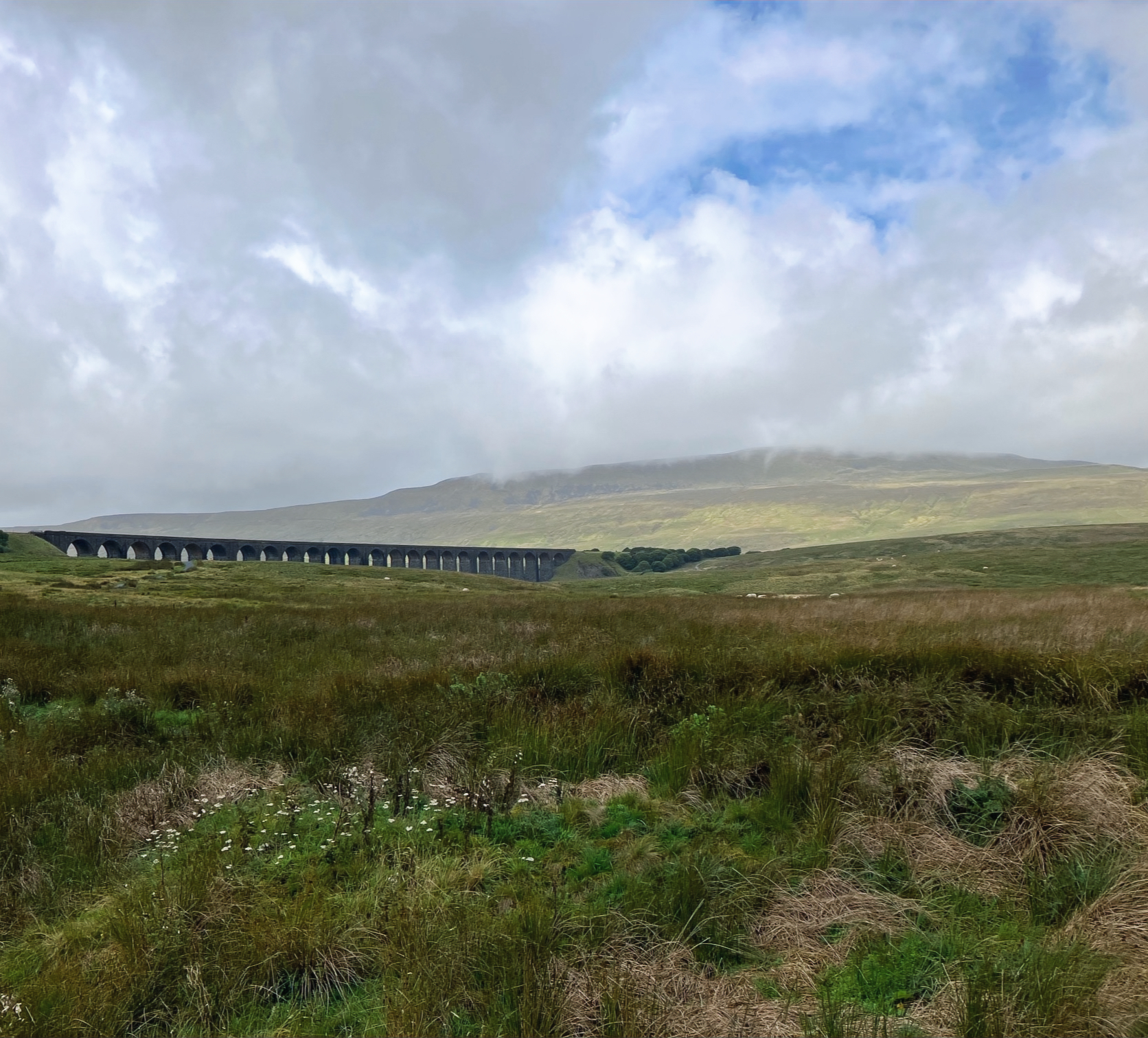
There’s so much to explore here: a Roman road, limestone caves, a Norman church, a Norse homestead, a Victorian station, a cosy pub and the impressive 24-arch railway viaduct – all beneath Yorkshire’s famous three peaks. What a start!
2
Horton on Ribblesdale
My first proper view of the River Ribble – and it’s already pushing along, having grown wide from a stream just a few miles up the road. It glides under the bridge and carries on down the dale. The small village has two pubs, one at either end of the high street and a historic Norman church, all with the stunning backdrop of Pen y Gent mountain. Riding the Roads here are so memorable.
3
Helwith Bridge & Stainforth Force
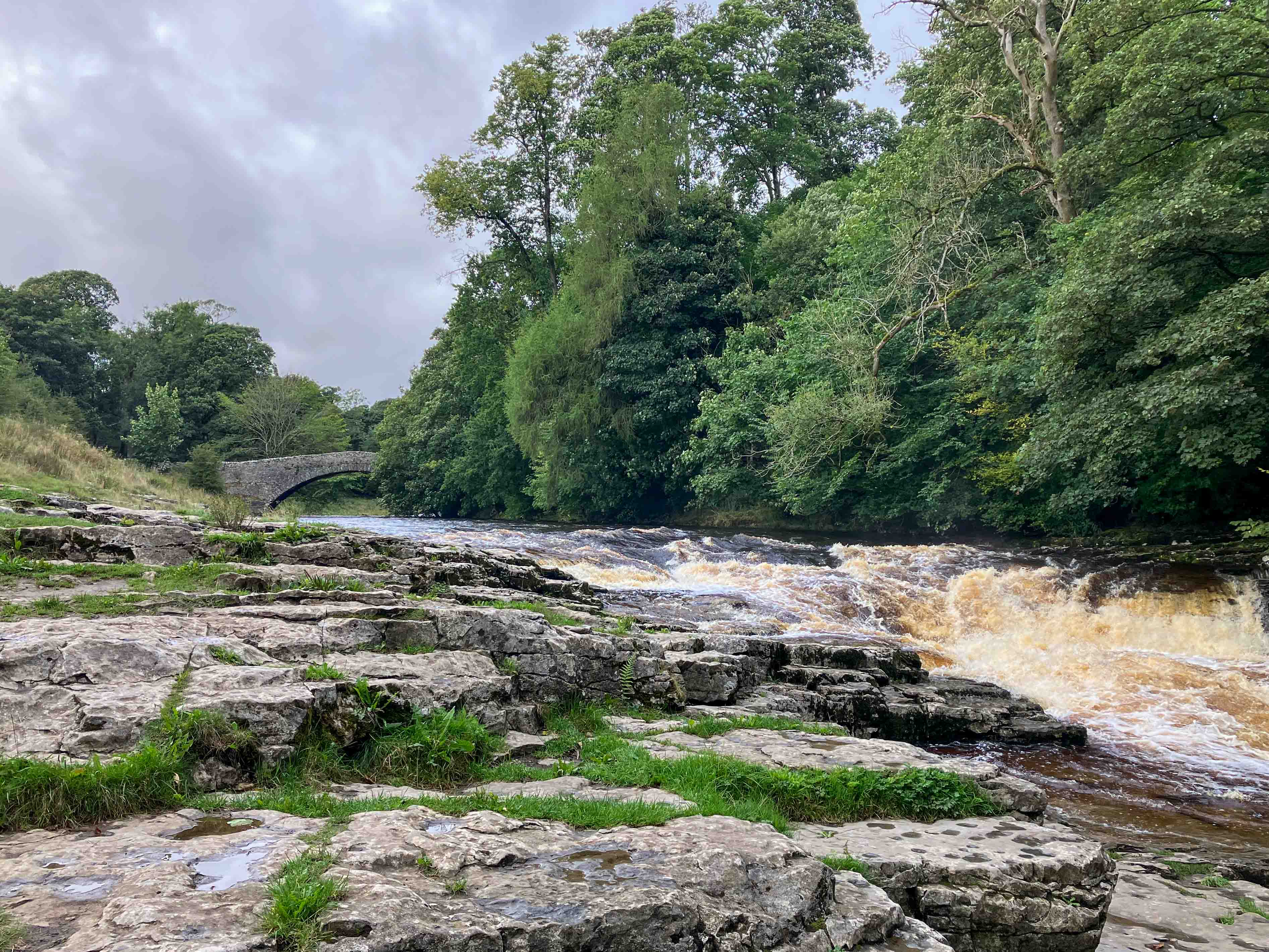
Just before Stainforth is Helwith Bridge – I park up and watch the river, now much wider. Right on the bank beside the bridge is a pub with history going back to the 1800s, when it began as a canteen for local slate workers. Onto Stainforth Force, reached by riding down a narrow lane and crossing the old packhorse bridge, then a short walk alongside the river to the spectacular waterfall and limestone gorge, to get some good photographs.
4
Settle
Well known to bikers from all over, this popular market town on the Ribble sits beneath an impressive limestone cliff. It’s a welcoming pitstop with more and more pavement cafés popping up and plenty of friendly people to have a chat with. Here the river is flowing fast as it cascades over the weir just before the bridge.
5
Gisburn Bridge
Leaving Settle, I head towards Long Preston and Gisburn. The river is close by, but because this stretch is in a fairly wide floodplain, I don’t really see it properly again until Paythorn Bridge – a nice place to pause, chill and watch the water drift past. I carry on to Gisburn’s old bridge for some more chilling and wander for a while to take in the river, the scenery and to feel the history. The next bridge and village downstream is Sawley.
6
Sawley Abbey
Reaching Sawley, I cross another brilliant old bridge (I’m beginning to realise bridges will be a regular feature of my rides!), and arrive at this small village which has lots to explore: it has a cosy coaching inn with a beer garden right on the river’s grassy bank, and a Norman abbey that’s good for a wander. Back in the 1100s, a small group of monks and brothers were sent from Northumberland to set up here; but it seems it was always a bit of a struggle to make it pay. That said, the abbey survived until the 1500s, when the abbot was executed for treason after standing up to the King’s dissolution order.
7
Clitheroe
Clitheroe has a Norman castle, sitting on a limestone outcrop – just as a castle should! It’s seen plenty of action over the years and even kept the King prisoner for a while during the Wars of the Roses. Today it’s a busy market town, with plenty of good shops, cafés and pubs to choose from and great views of the castle from the Main Street, more opportunities for photographs.
8
On the Road to Ribchester
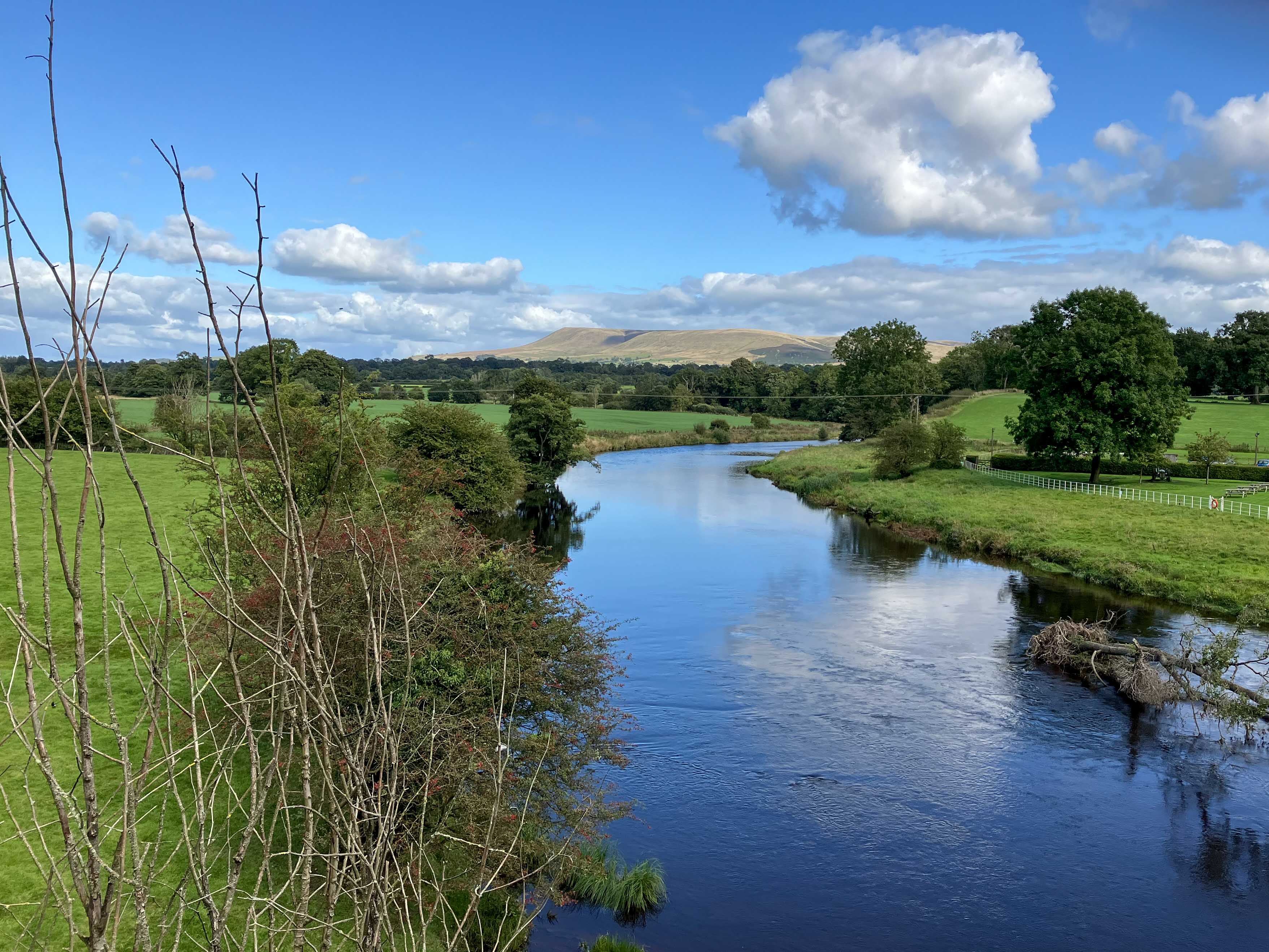
Heading to Ribchester, following the route of the river as best I can, I ride through Edisford Bridge – once the site of a famous battle – and on to Great and Little Mitton (‘Mitton’ means where rivers meet; the river Hodder from the forest of Bowland joins the Ribble here). The bridge – Great Mitton on one bank and Little Mitton on the other – gives a good view of the Ribble with Pendle Hill in the background, and another fine pub on the banks of the river.
Then into Whalley: it’s actually on the River Calder, which joins the Ribble just a mile or so away, so well worth the small reroute. Whalley has a 14th-century gatehouse and the ruins of a Norman abbey that, unlike Sawley, did well – though both the abbey and its abbot met the same fate as the smaller abbey upstream.
Ribchester – or Bremetennacum, as the Romans called it – is my favourite place along the route, and that's saying something given the competition. The Romans built a fort here, first in wood and then in stone, and kept a garrison there for over 300 years! Today there are the remains of a Roman bathhouse as well as a museum, a Norman Church, pubs and lots more to discover as you wander the streets and riverbank.
9
Brockholes
Brockholes today is a wildlife reserve on the banks of the Ribble; here you can see the river as it snakes around South Preston before straightening out towards the Irish Sea, passing the impressive Preston Marina along the way. I can imagine Brockholes as a landing place for Roman, then Saxon and Viking boats sailing upstream from the Sea. Here on the banks of the river Ribble the Cuerdale Viking Horde was discovered, the largest of its kind ever discovered in Britain – 40 kilos of treasure in total! Who buried it, what for and why did they never return for their fortune? We can only imagine.
10
Lytham St Annes
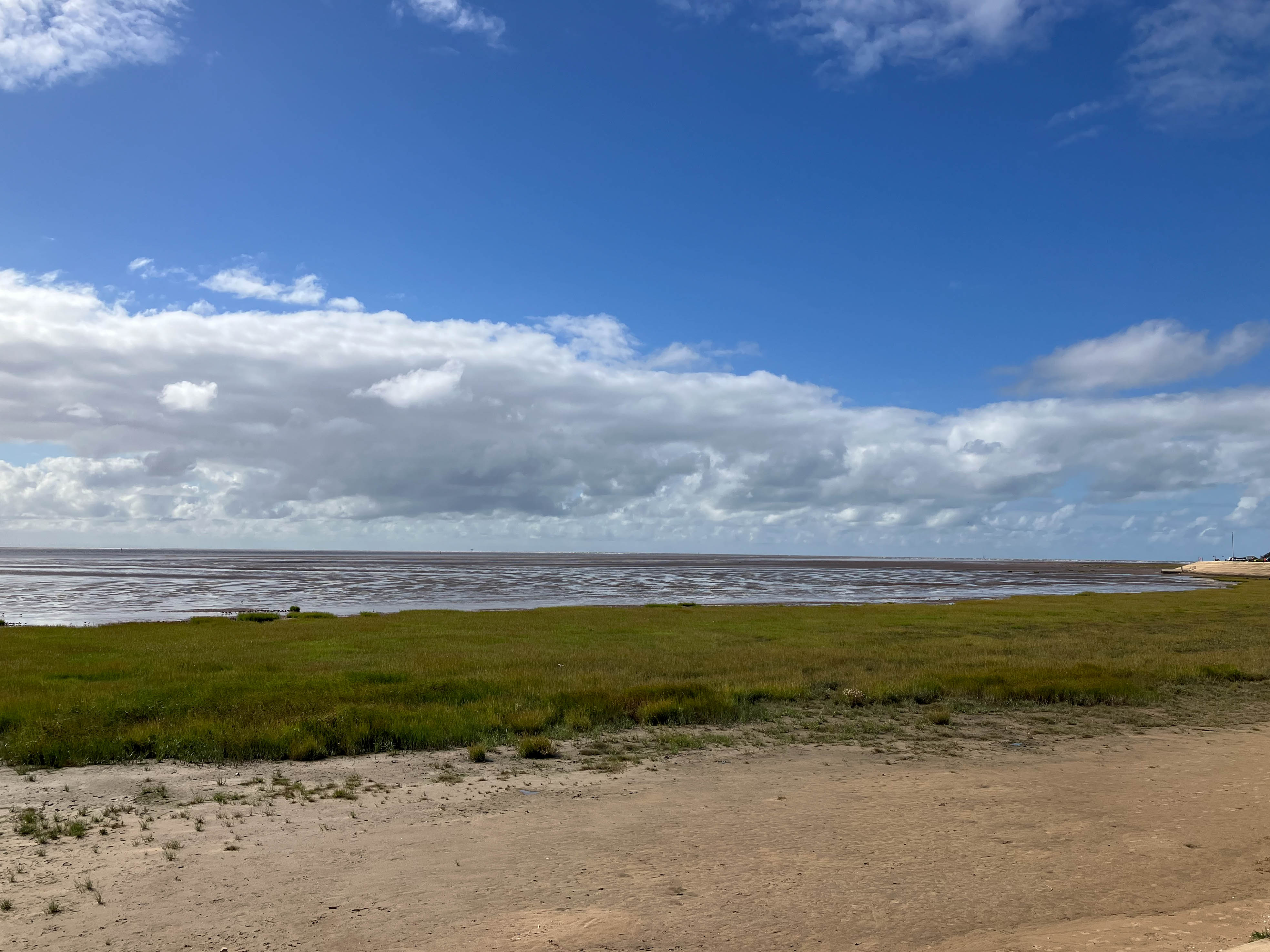
From Brockholes, my ride to Preston Marina takes me mostly through built-up areas, with just a glimpse here and there of the river. Arriving at the Marina brings me back to the Ribble on the northern bank; this is a good pit stop before the final stretch. The road then moves away from the water, it's out of sight somewhere in marshland – then brilliantly! I arrive at Lytham St Annes! The views of the vast, endless estuary are really great here, more photographs; directly across the wide stretch of water on the south bank are more wetlands; and further down that coast is Southport, this is the place where the Ribble finally meets the Irish Sea, after our 75-mile journey.


05
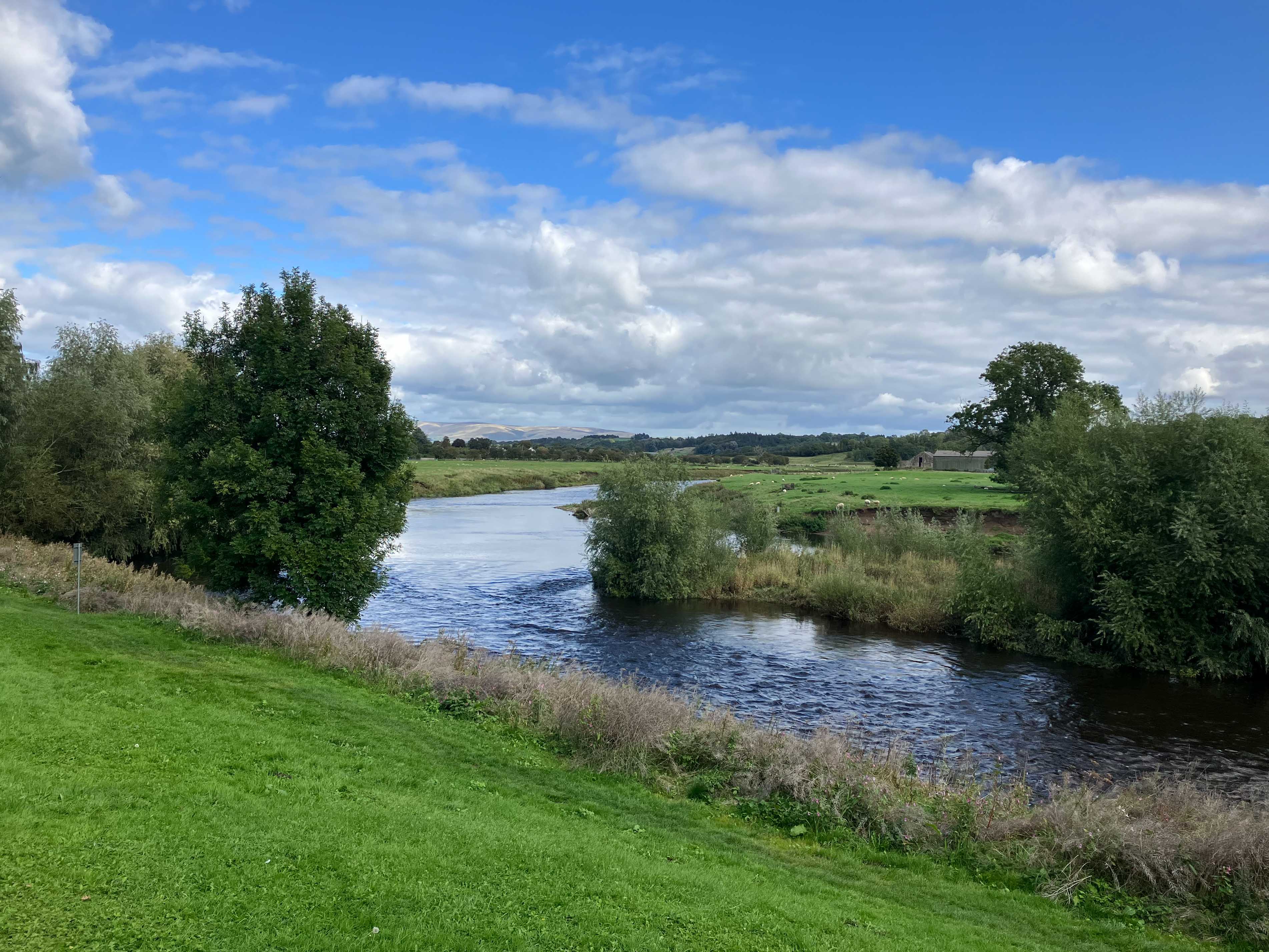
Great Mitton, with Pendle Hill in the Distance
04
The River at Ribchester, site of the Roman Fort
03
Stainforth Force & Pack Horse Bridge
02
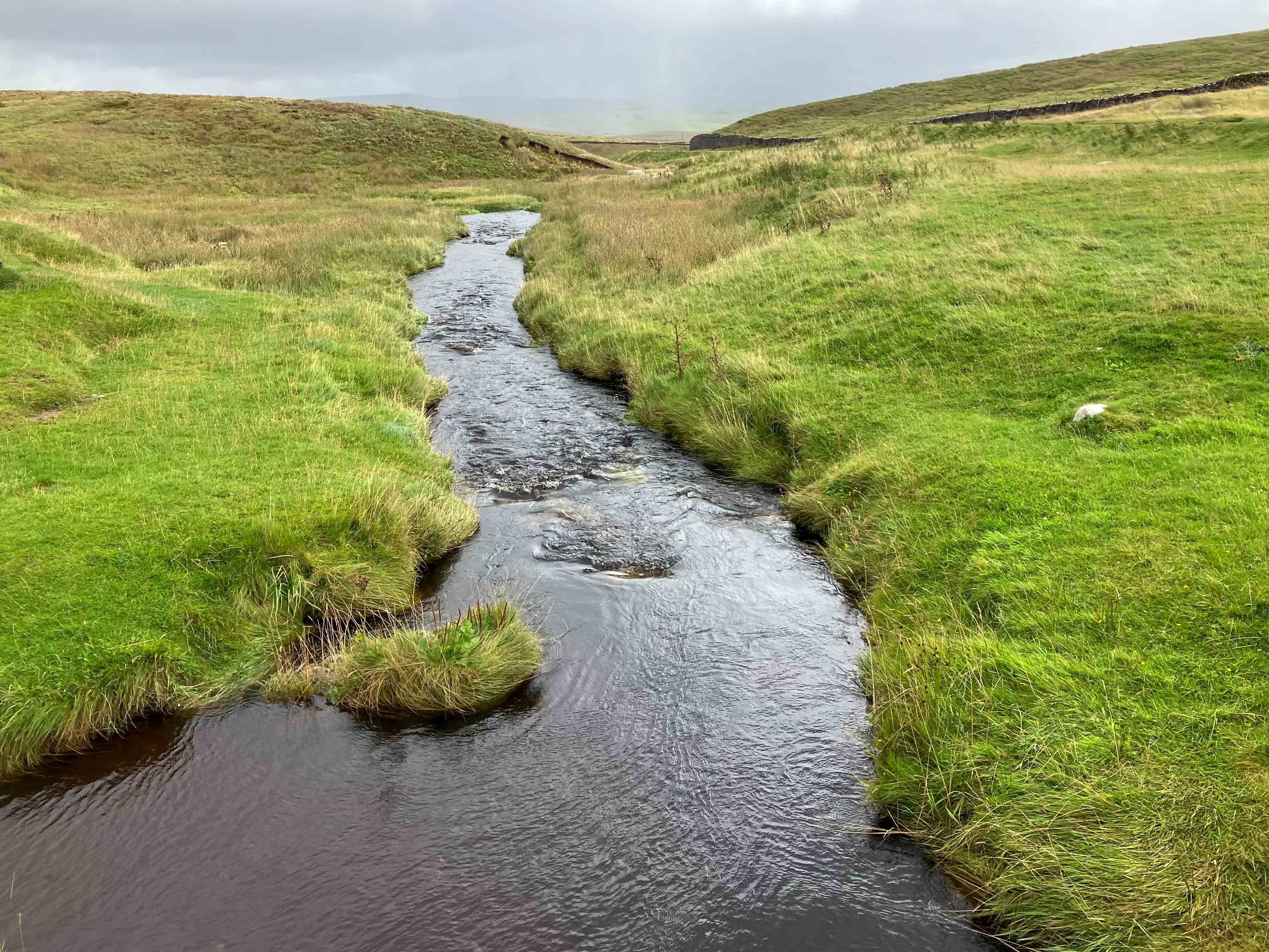
The Beck at Ribblehead, where the river begins
01
Ribblehead Viaduct, Ribblehead
Timeline
Photographs
06
Where the Ribble meets the Sea, Lytham st Annes